MY teaching
philosophy
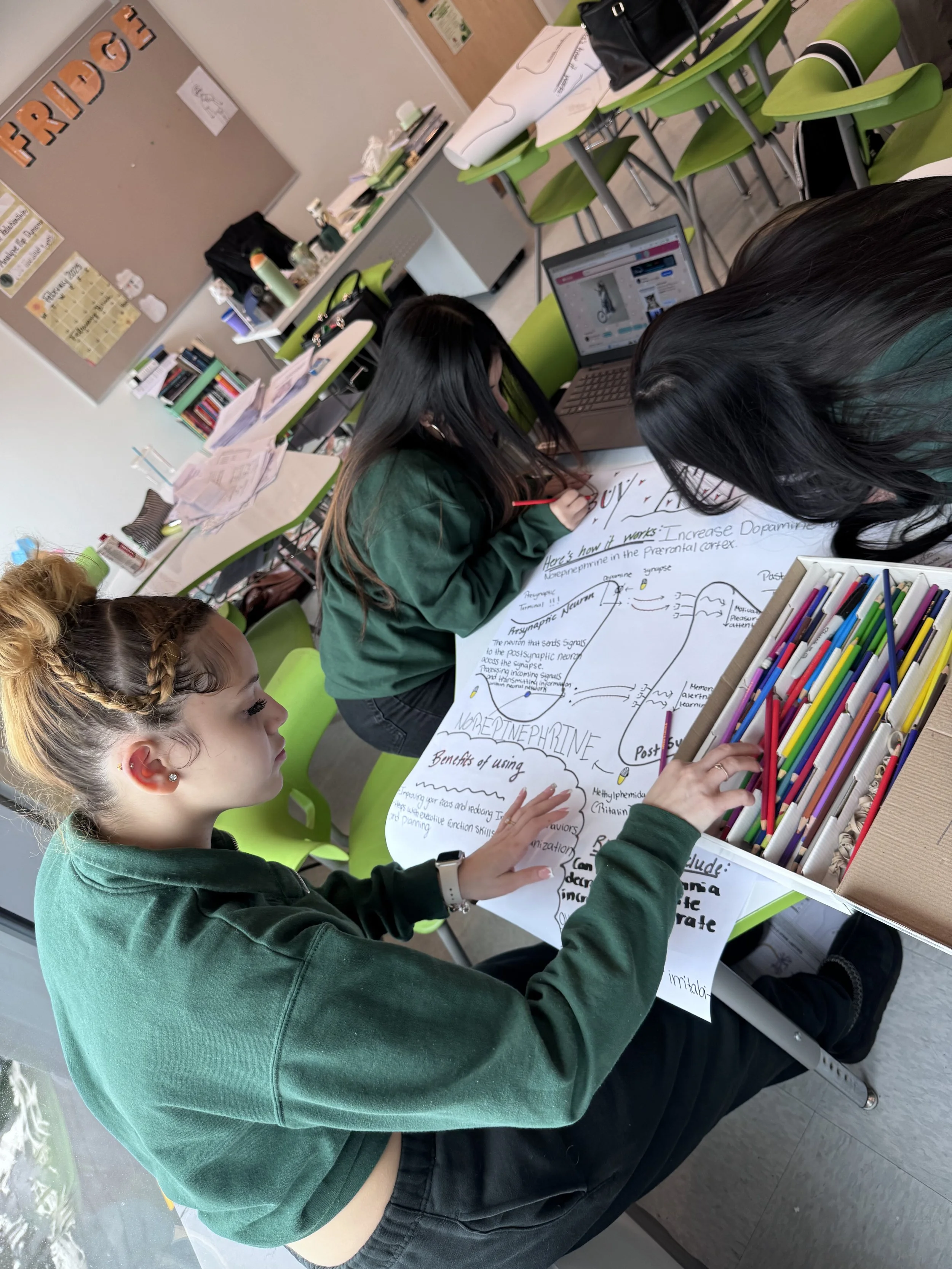
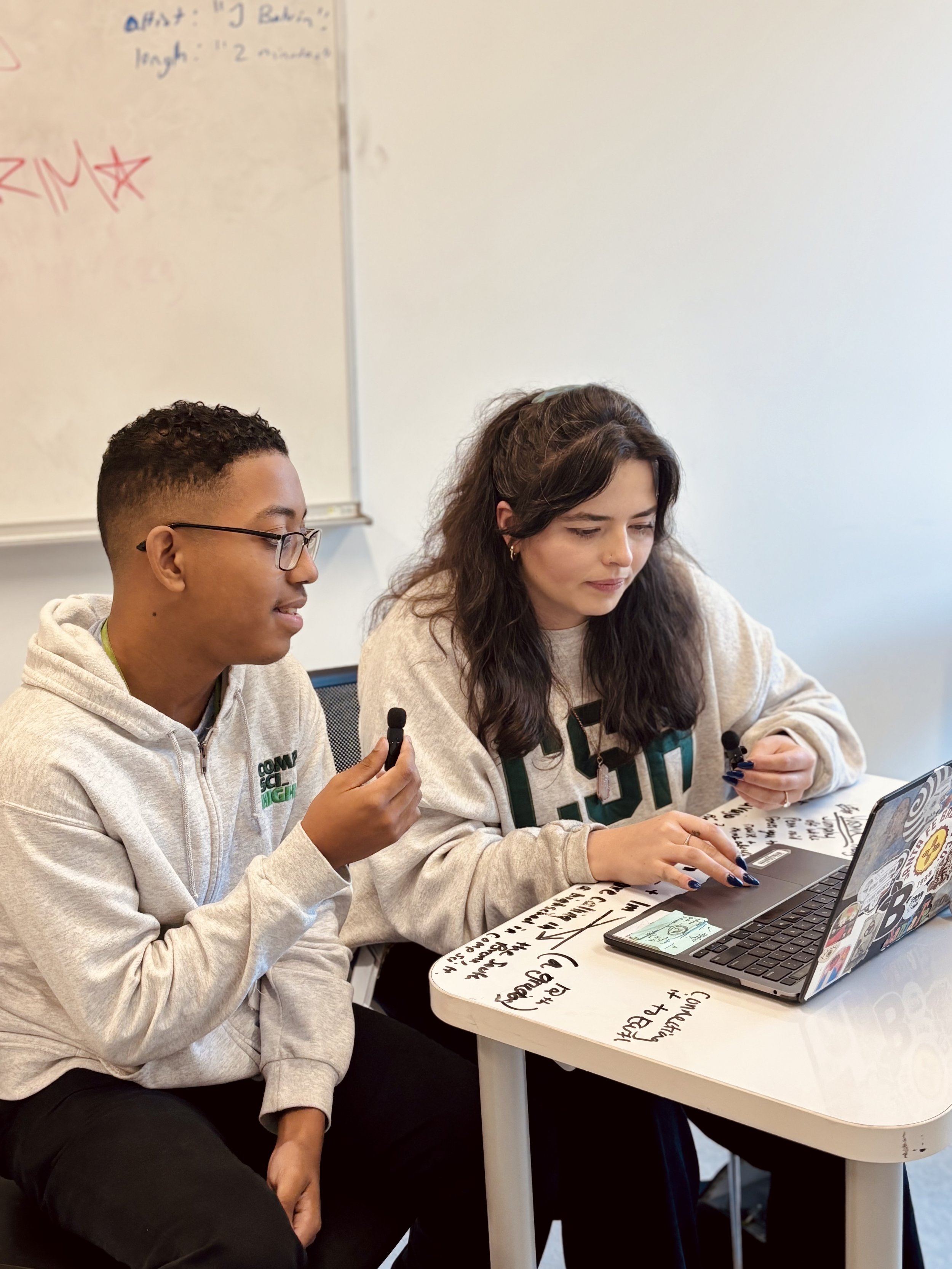
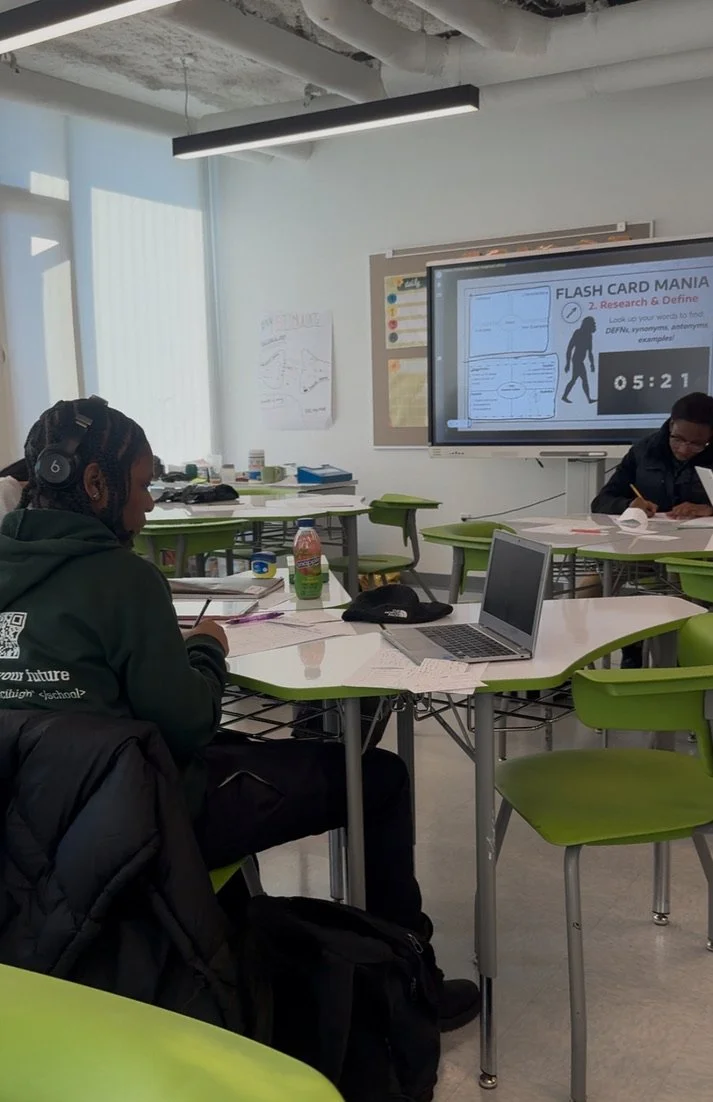
From the moment students walk into my Biology classroom, I want them to feel one thing above all else: that they belong here.
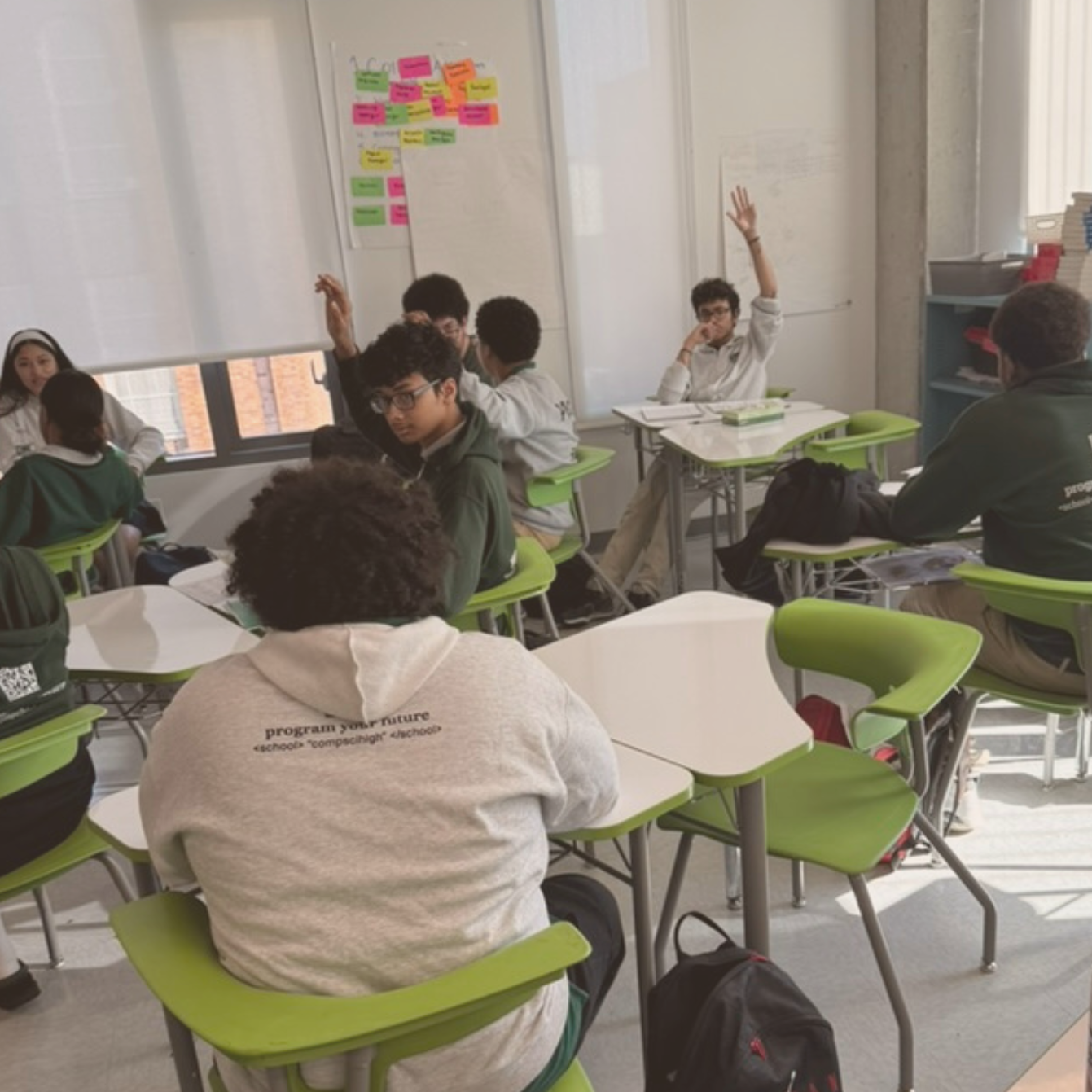
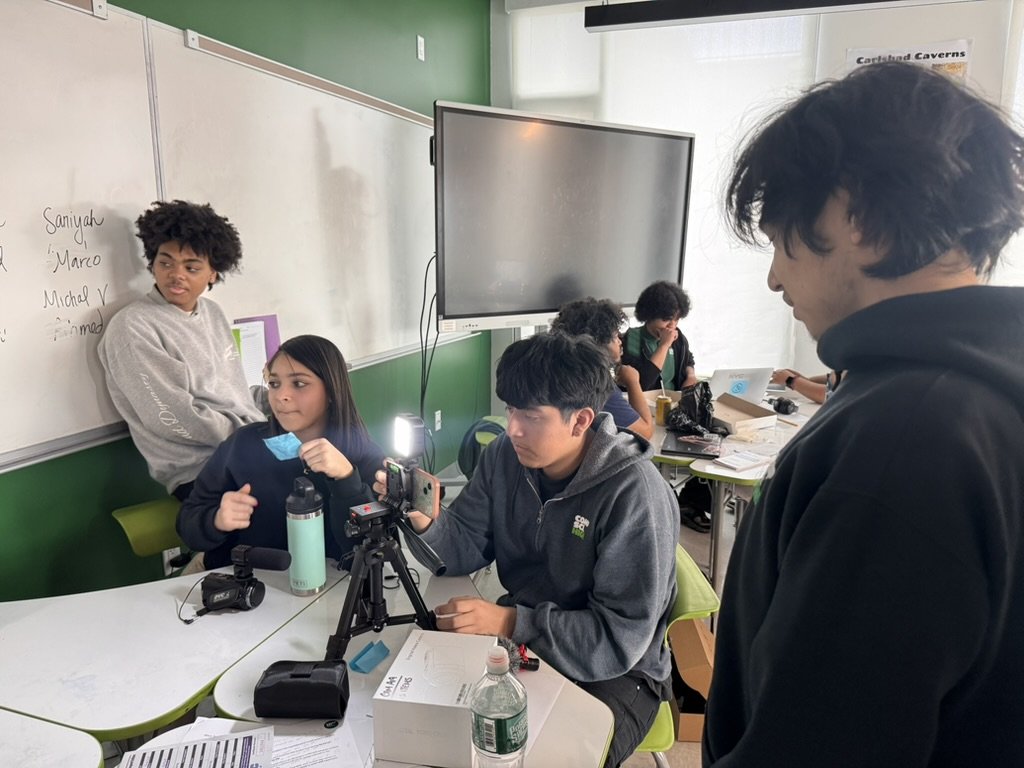
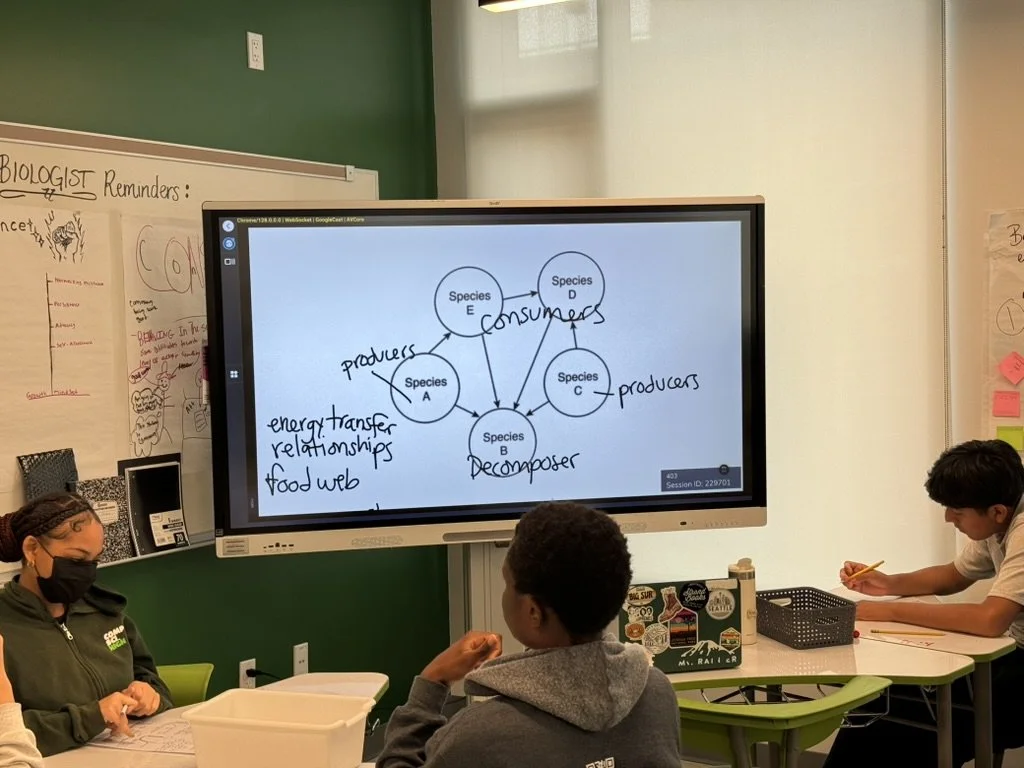
Not conditionally or eventually, but immediately and completely. Eight years of teaching have shown me that real learning, the kind that sticks, the kind that changes how you see the world, only happens when students feel safe enough to be wrong, to be confused, and to be themselves. That safety isn't accidental. I build it deliberately: by naming my own mistakes out loud, by treating a failed hypothesis as data worth celebrating, by making it unmistakably clear that every student in the room has something the rest of us need to hear, and, yes, sometimes by walking around sporting fun science-themed socks. When it works, and it does work, you can feel it: everyone's hand is up, ideas are colliding, and the room is full of energy that only comes from people who genuinely believe their thinking matters.
I once had a student confide that she'd copied a peer's answer because she couldn't imagine why anyone would want to cheat off of her. That moment has never left me to this day. Every student who walks into my room deserves to leave it as someone others turn to: not because I told them they were capable, but because they've proven it to themselves, in a classroom where that proof was always possible.
-
The most important thing I can know about my students isn’t only about where they are academically. While that is important, I also prioritize knowing where they are as people. Adolescence is a critical period for identity formation, and what happens in a classroom doesn't stay there. The labels we assign, the feedback we give, and the expectations we hold shape how students see themselves long after the bell rings.
Every learner arrives with a schema built from prior experiences, cultural knowledge, and personal history. That's not a barrier to learning. In my opinion, it's the foundation of it.
I design instruction that builds on who students already are, not just what they already know. When students feel seen, they take risks. When they take risks, they learn.
-
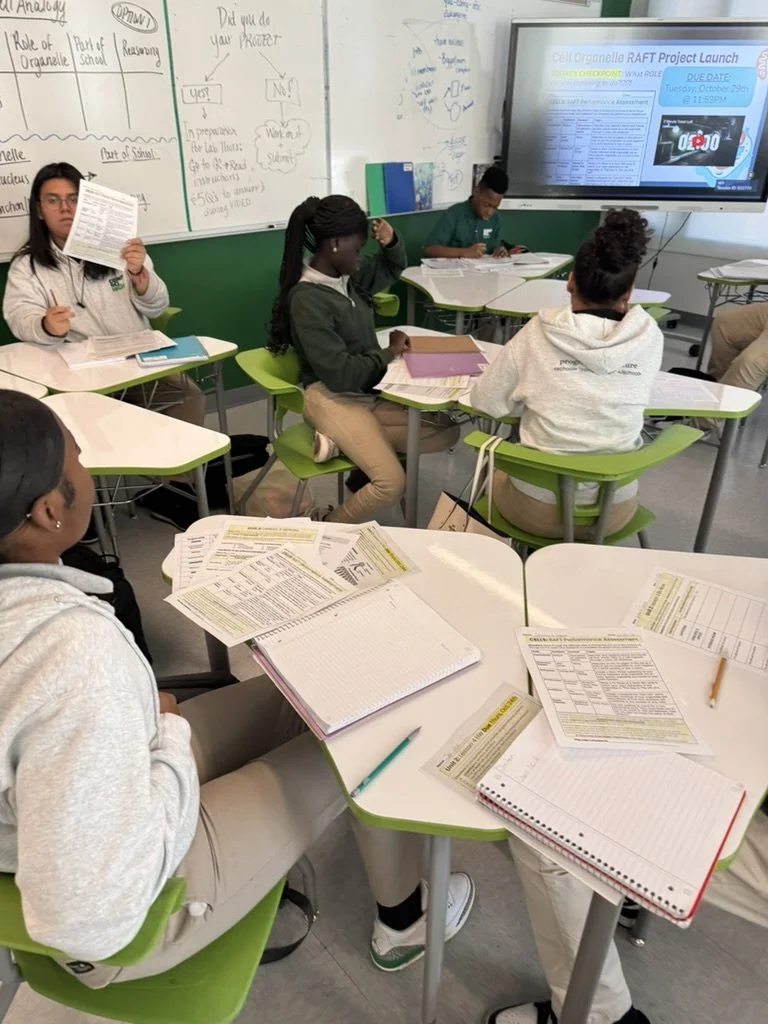
I think of my role less as an authority and more as a facilitator and designer. My job is to create the conditions under which learning becomes possible, and that requires classroom management rooted in consistency and equity, lesson planning that starts with the end in mind, and assessment that measures growth rather than just performance.
My best lessons are the ones where I'm not the most interesting thing in the room. I plan backward, build in inquiry, and leave room for students to surprise me. I've also had to reckon honestly with my own blind spots (i.e. the students I underestimated, the co-taught classes where I hadn't aligned routines with my partner before the kids arrived). Good teaching requires that kind of ongoing self-examination. I am not a finished product, and I don't pretend to be.
My participation in Math for America's professional learning community and my graduate work at Hunter have both reinforced that the best teachers are the ones who remain genuinely curious about their practice.
-
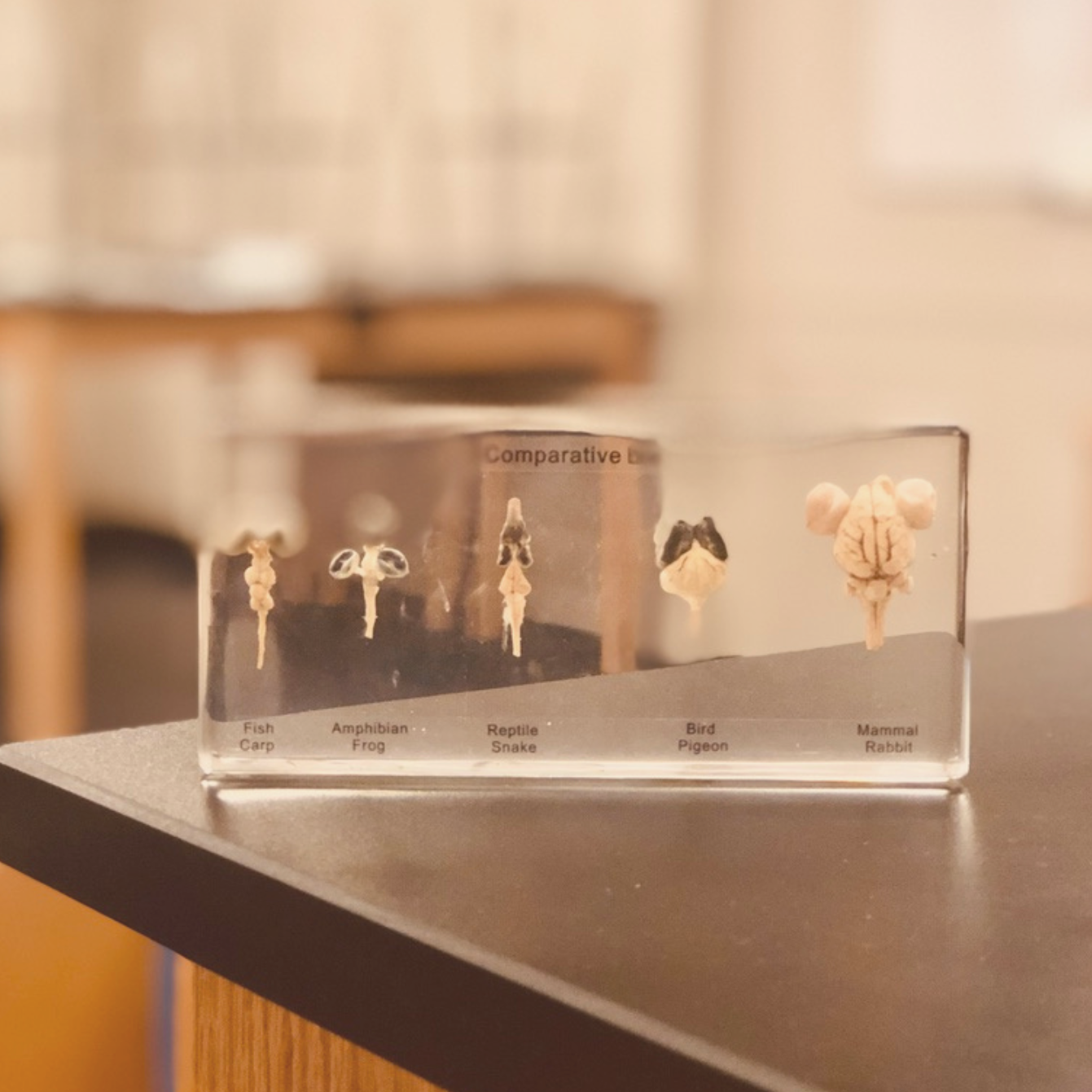
Content knowledge matters! And after a Neuroscience degree, undergraduate research, a handful of years in prestigious labs, and eight years in science classrooms, I have a strong foundation to draw from. But knowing the content isn't enough. What matters equally is knowing where students get stuck, and why.
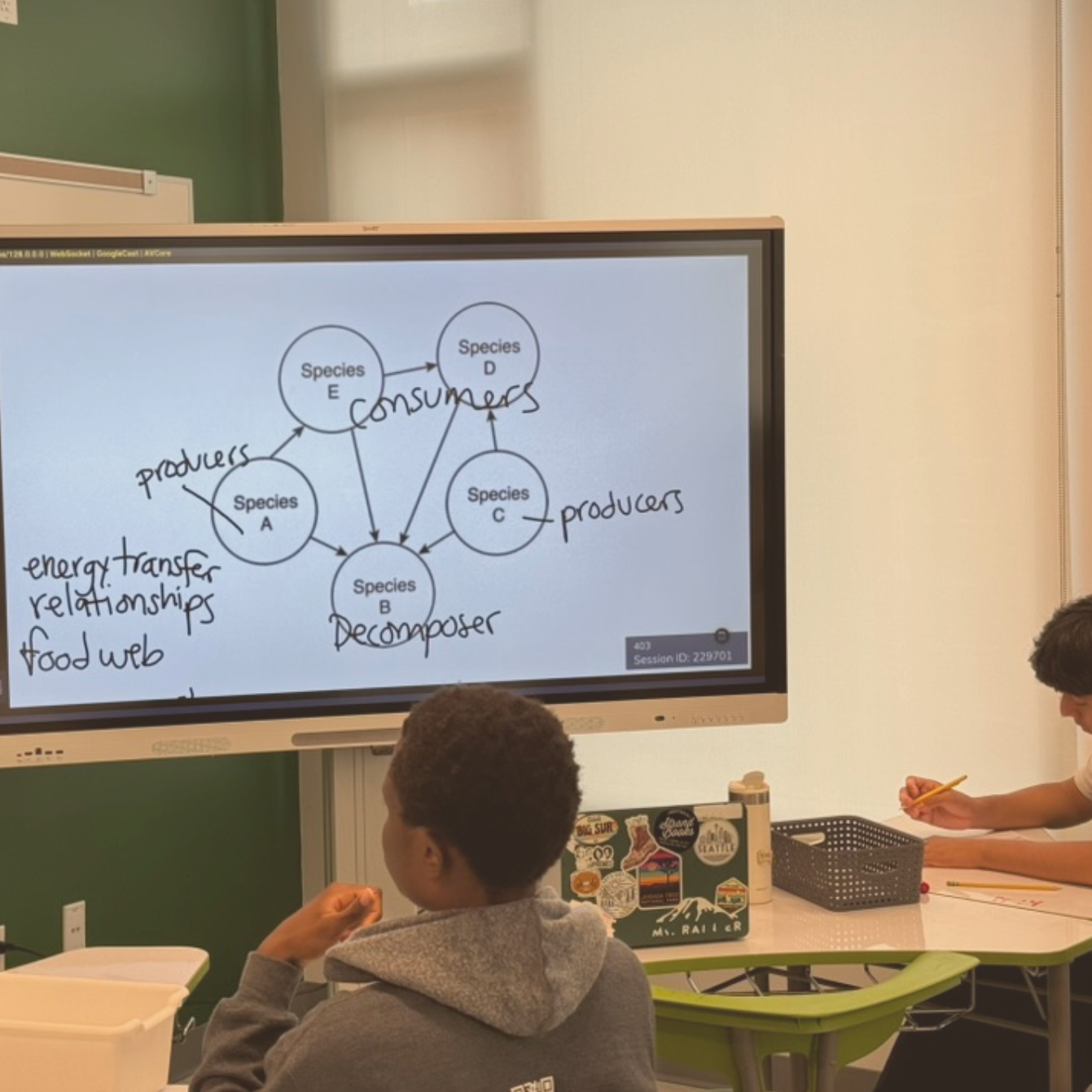
Misconceptions in science are persistent and predictable, and my job is to anticipate them and design experiences that make the correct understanding feel necessary and earned. More than that, I believe in teaching the nature of science alongside the content of it. Science is not a collection of facts. It's a process, a set of practices, a way of staying curious and remaining open to being wrong. In a moment when scientific consensus is increasingly politicized, that distinction has never mattered more.
-
I've taught in New York City for eight years, across schools that share a common reality: students navigating enormous systemic pressure with limited institutional support. That context is not incidental to my teaching. Instead, it is central to it. I've seen how high-stakes testing harms students from marginalized communities, felt the tunnel vision of teaching to the exam, and continue to push against both in my curriculum choices and in how I talk to students about their own intelligence.
Creating a safe and caring classroom is the prerequisite for everything else. Students cannot take intellectual risks where they don't feel seen. And teaching doesn't happen in a political vacuum. What gets funded, tested, and cut shapes what's possible in every public school classroom.
My commitment to professionalism means staying informed, advocating for my students, and holding myself to the same standards of curiosity and rigor I ask of them. Education, at its best, is an act of hope. I genuinely still believe that.