Good curriculum isn't built in a summer
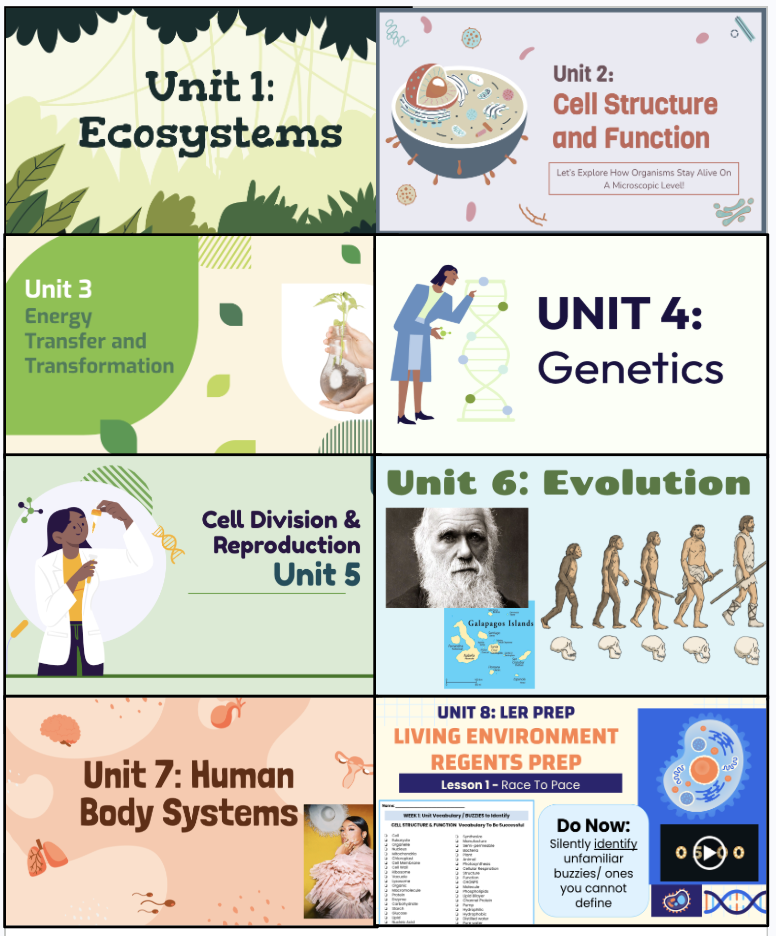
The units below represent years of iteration. I have designed them over the years for real students in New York City classrooms, refined through what worked, what didn't, and what my students and co-teachers taught me along the way.
Every unit is anchored in inquiry, built backward from a big question, and designed to make students think before they're told what to think.
Ecology UNIT: Starting the year where students already live.
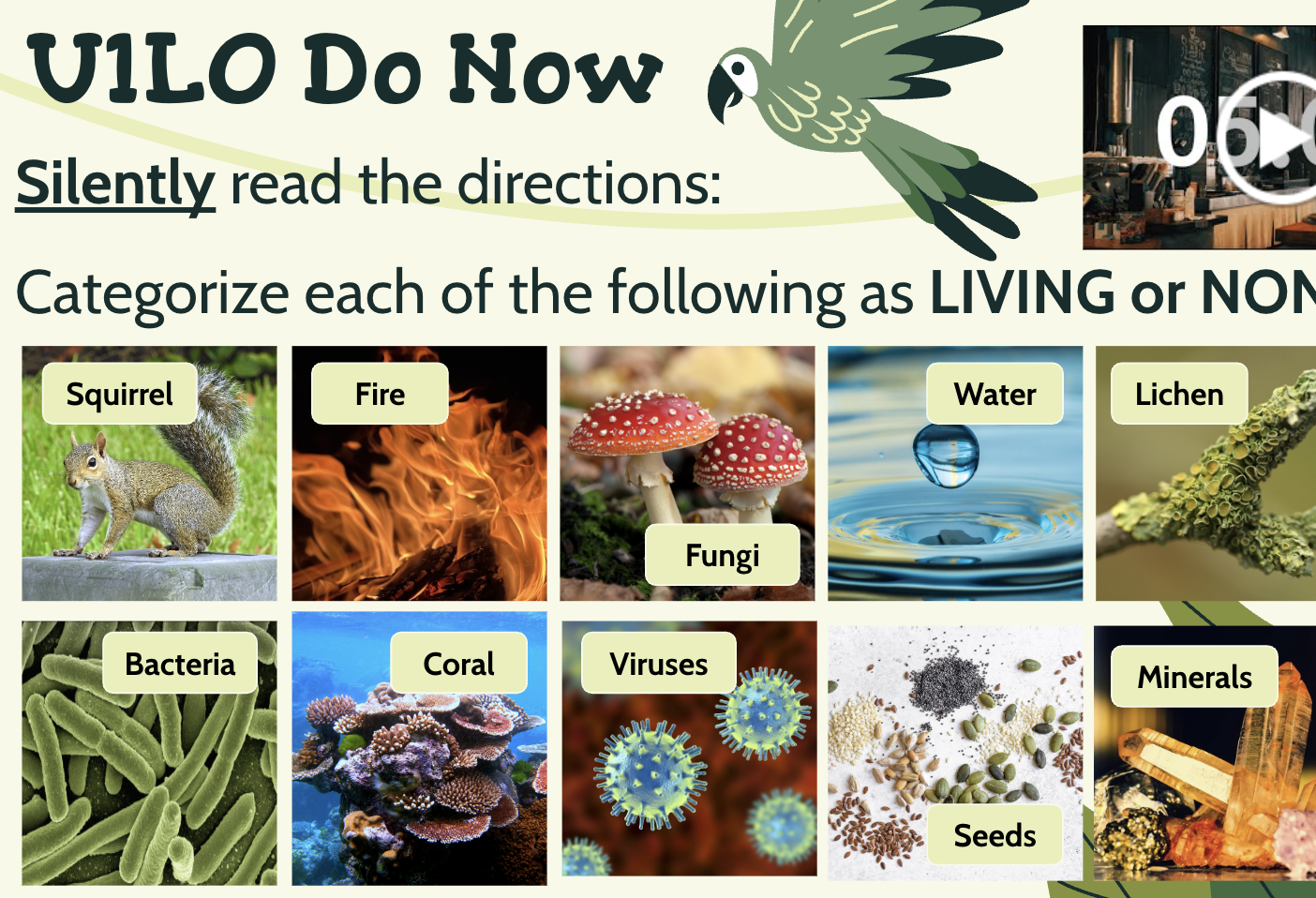
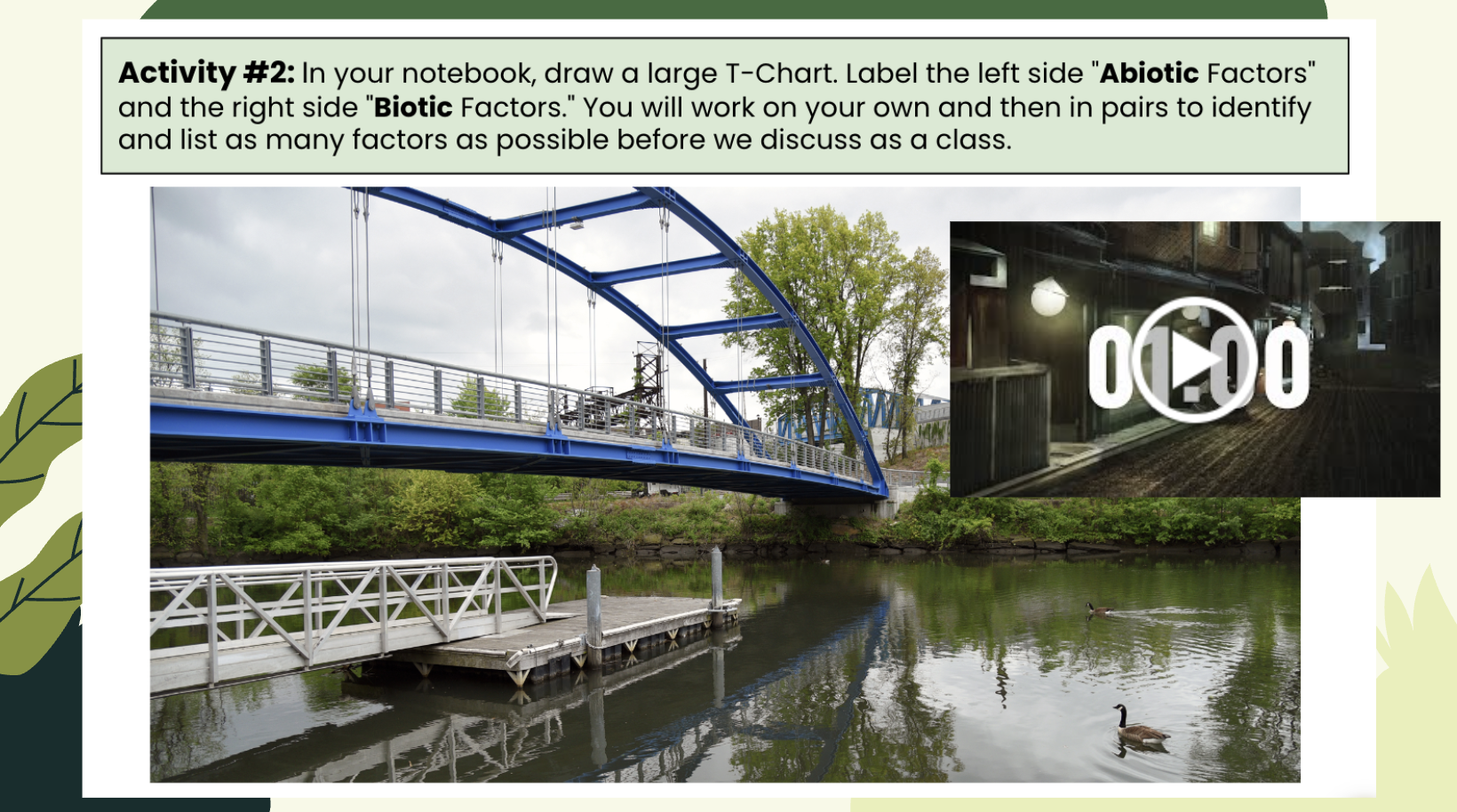
Ecology comes first because students already know more than they think they do. They've seen pigeons outcompete sparrows for a french fry on the subway platform. They know which trees survive a Bronx summer and which ones don't. Before we ever name a trophic level, students already have a schema for how organisms relate to their environment, and this unit builds on that.
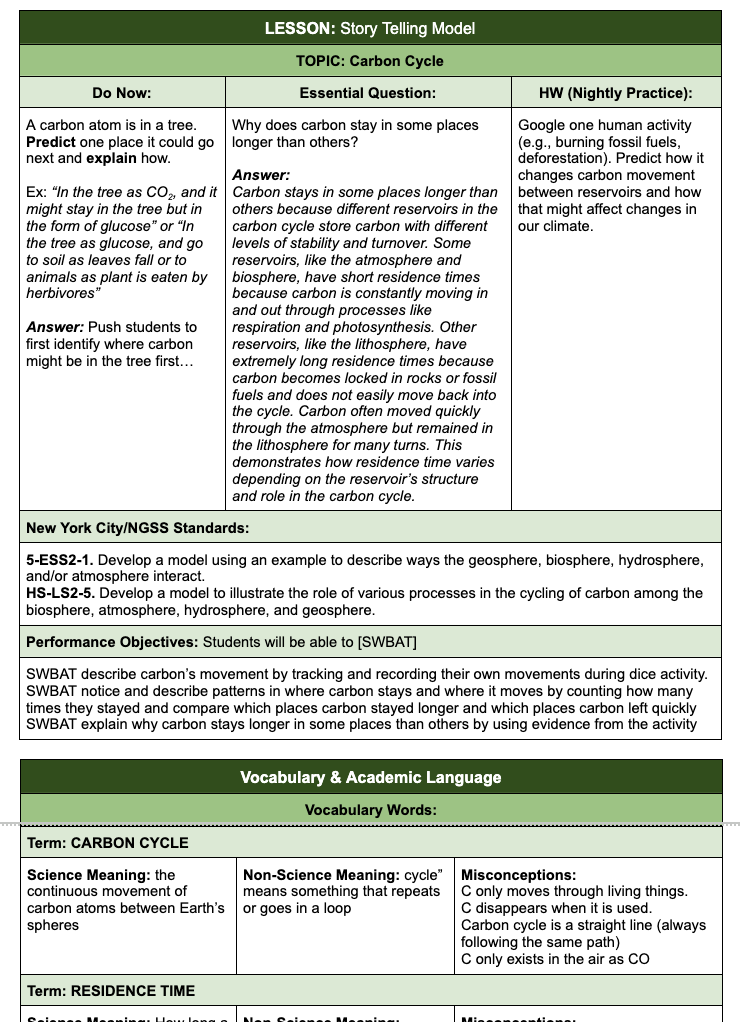
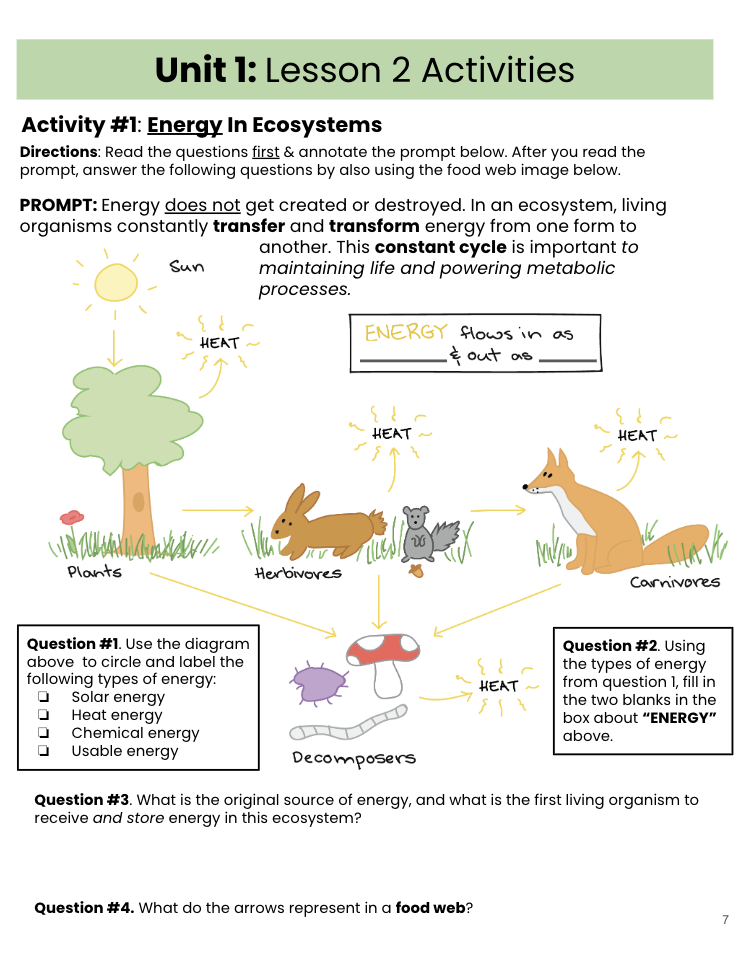
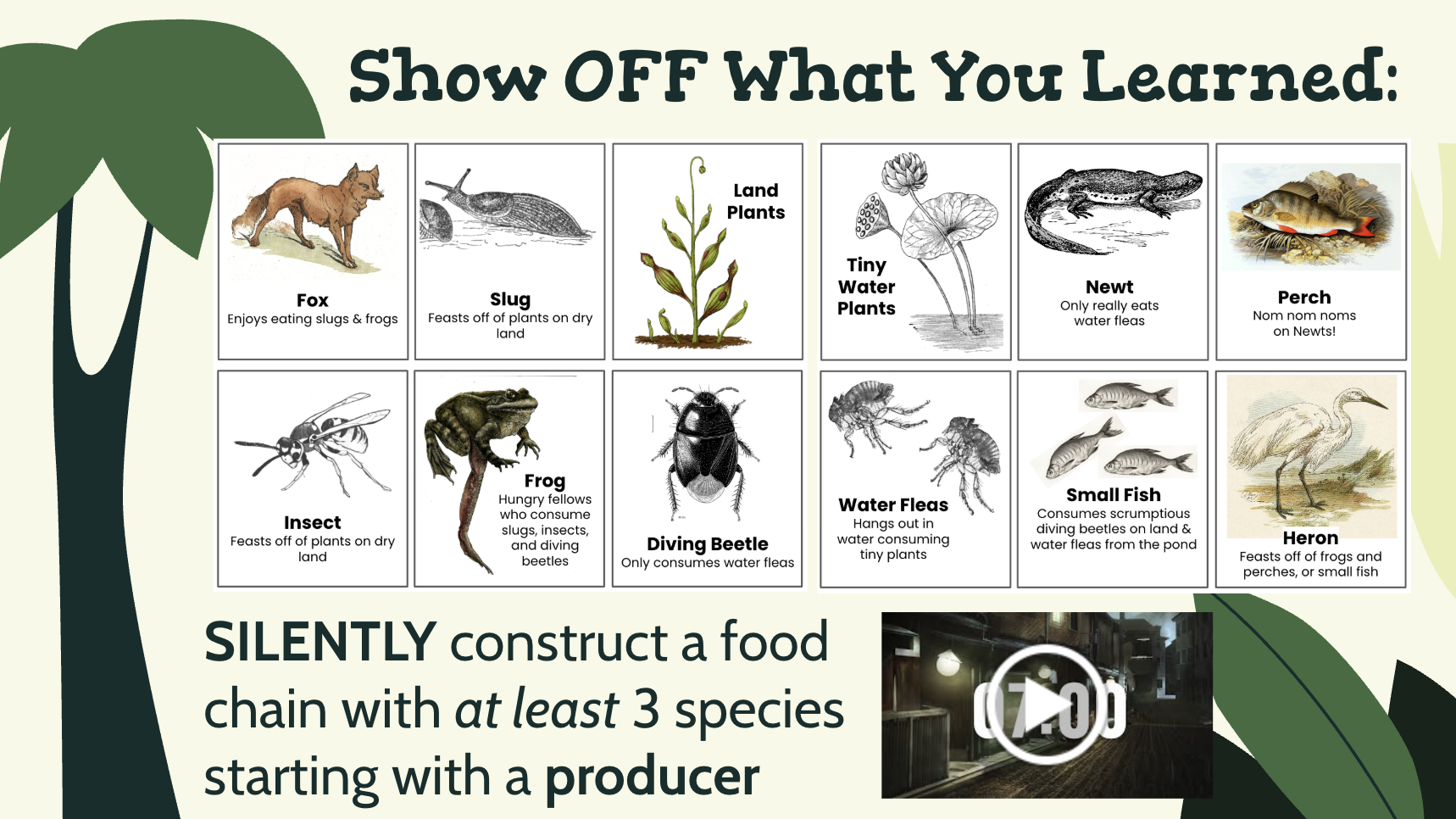
Using New York City ecosystems as our anchor, students construct food webs from organisms they recognize, in places they've actually been. The biggest misconception we dismantle early: arrow direction in energy transfer diagrams. Students can draw the arrows correctly and still have no idea what they represent. Starting with local, familiar ecosystems means the relationships between organisms feel real before the vocabulary does. This understanding carries them into everything that comes next.
EXAMPLES OF UNIT MATERIALS
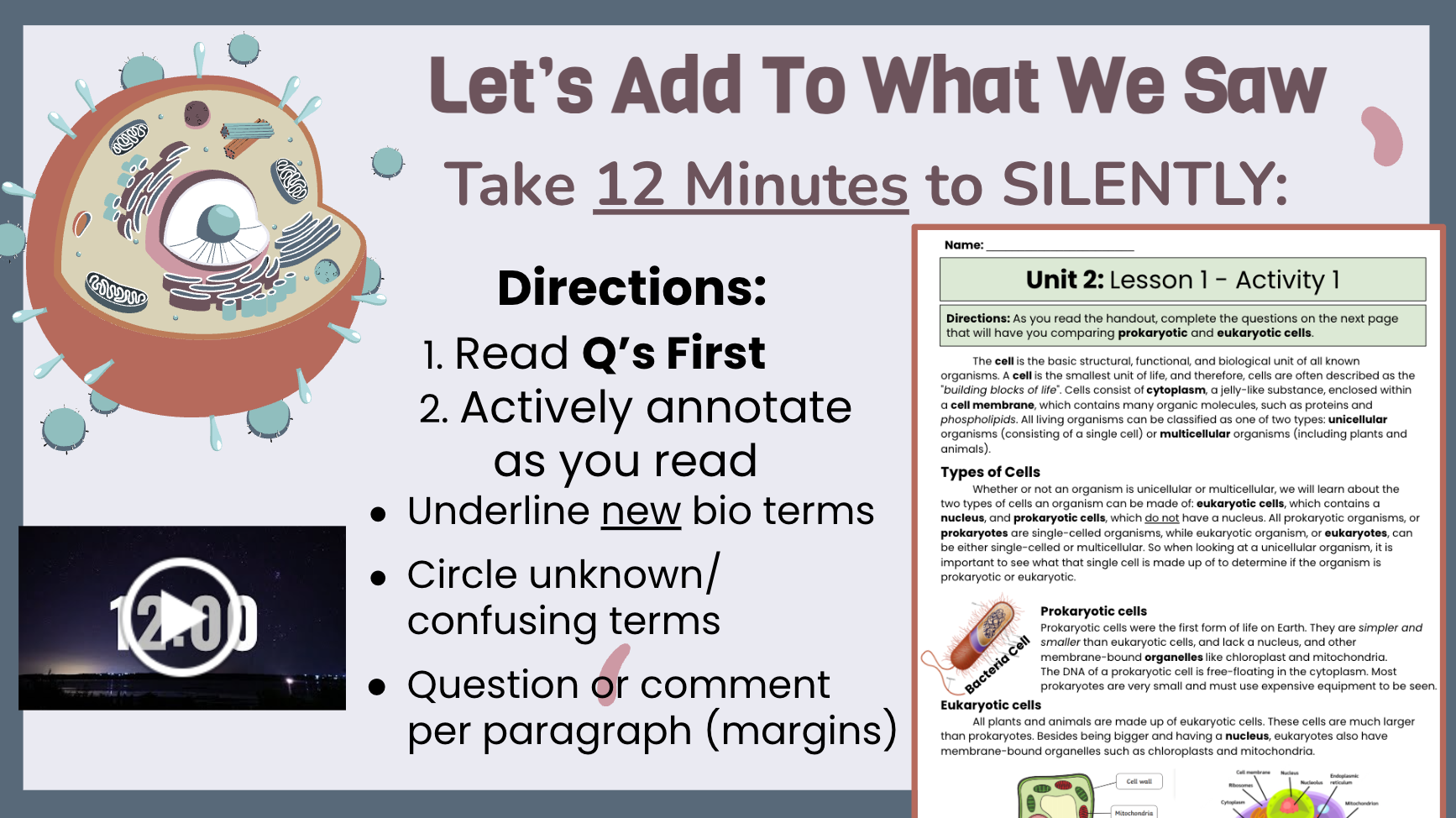
Cells UNIT: Time to zoom in!
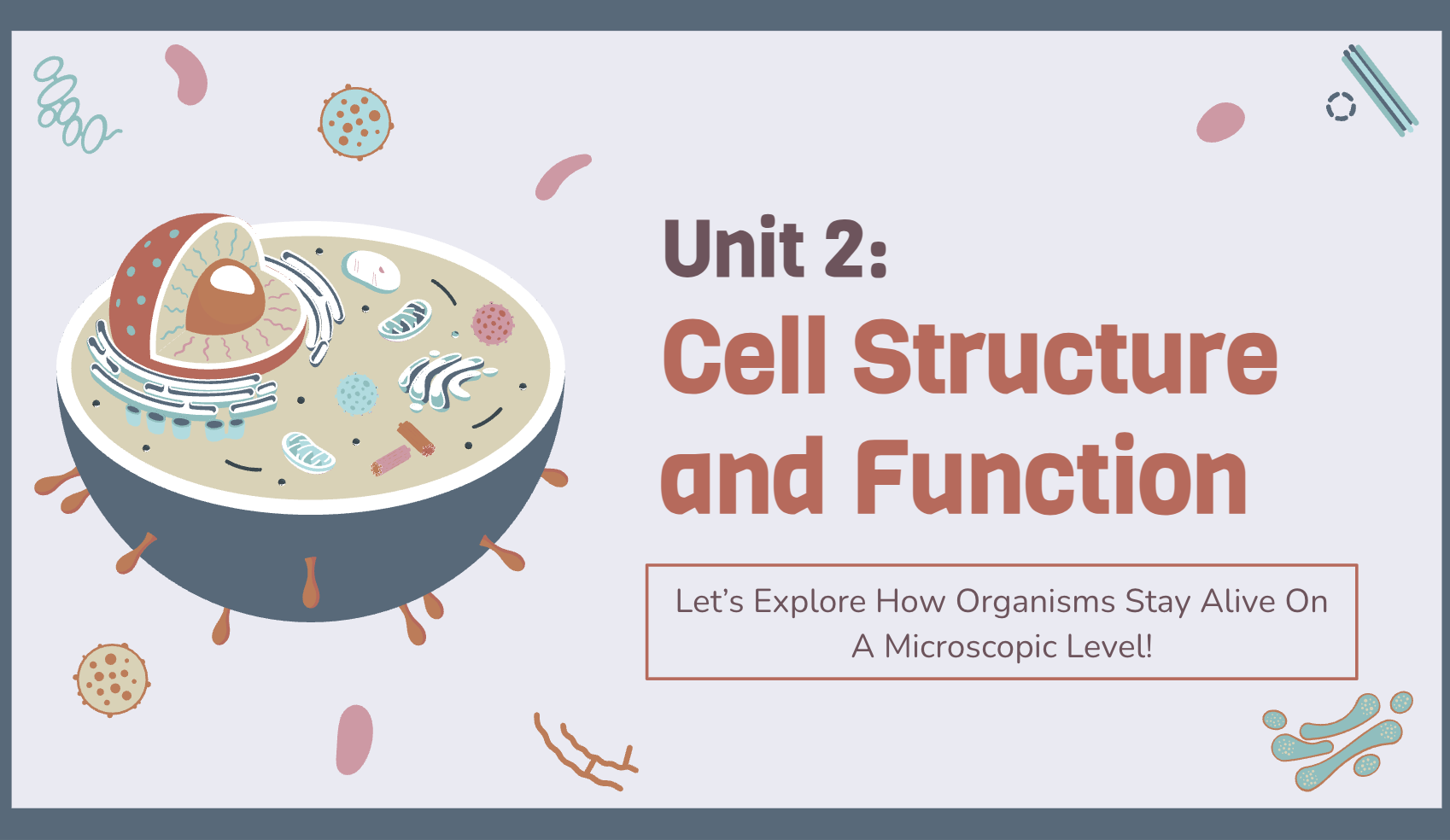
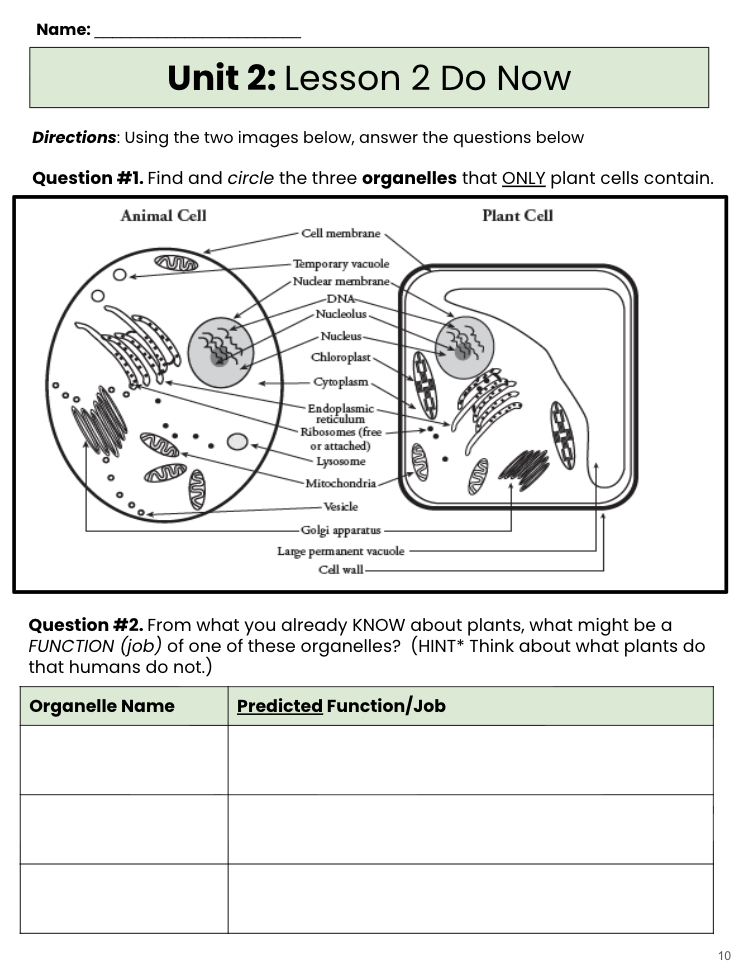
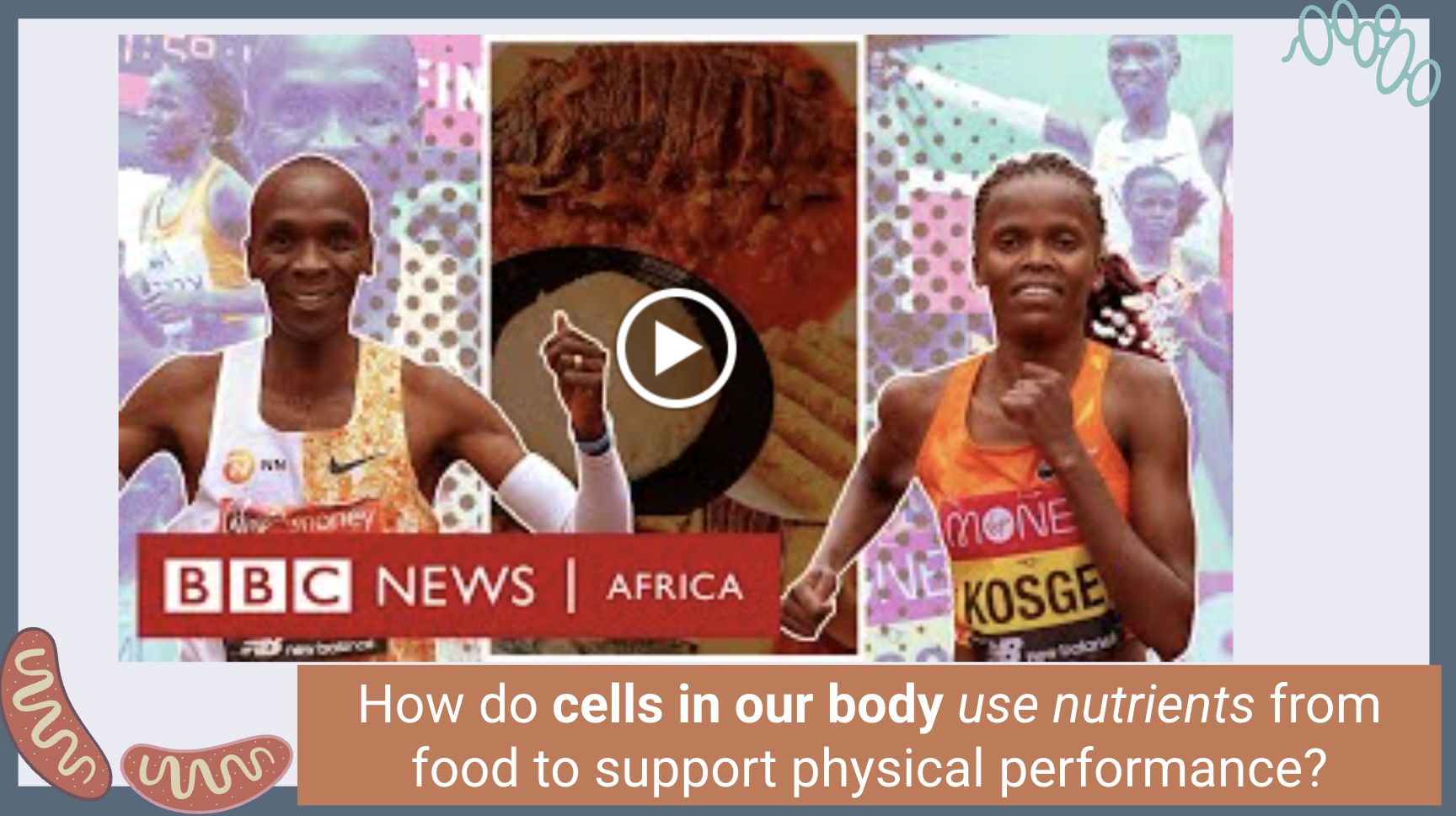
Once students understand how energy moves through an ecosystem (from sun to producer to consumer), we zoom in to ask: how does that energy actually get used? This is where the cell unit begins, and the transition is intentional. Students who just spent weeks learning that plants capture energy from the sun are ready to meet the chloroplast. Students who learned that consumers break down food for energy are ready to understand what the mitochondria actually does. The macro makes the micro legible.
This unit also entails students’ first RAFT project — Role, Audience, Format, Topic — as its culminating task, asking students to inhabit a cell and explain the structure, function, and relationships between the major organelles in a format of their choosing. The results are consistently the most creative work students produce all year: op-eds written by the mitochondria, travel guides to the endoplasmic reticulum, menus to Restaurant Cellular. The two misconceptions we spend the most time on: that ribosomes make proteins, and that proteins are primarily for energy. When students have to explain a concept in their own voice, to an audience they choose, those misunderstandings don't survive.
EXAMPLES OF UNIT MATERIALS
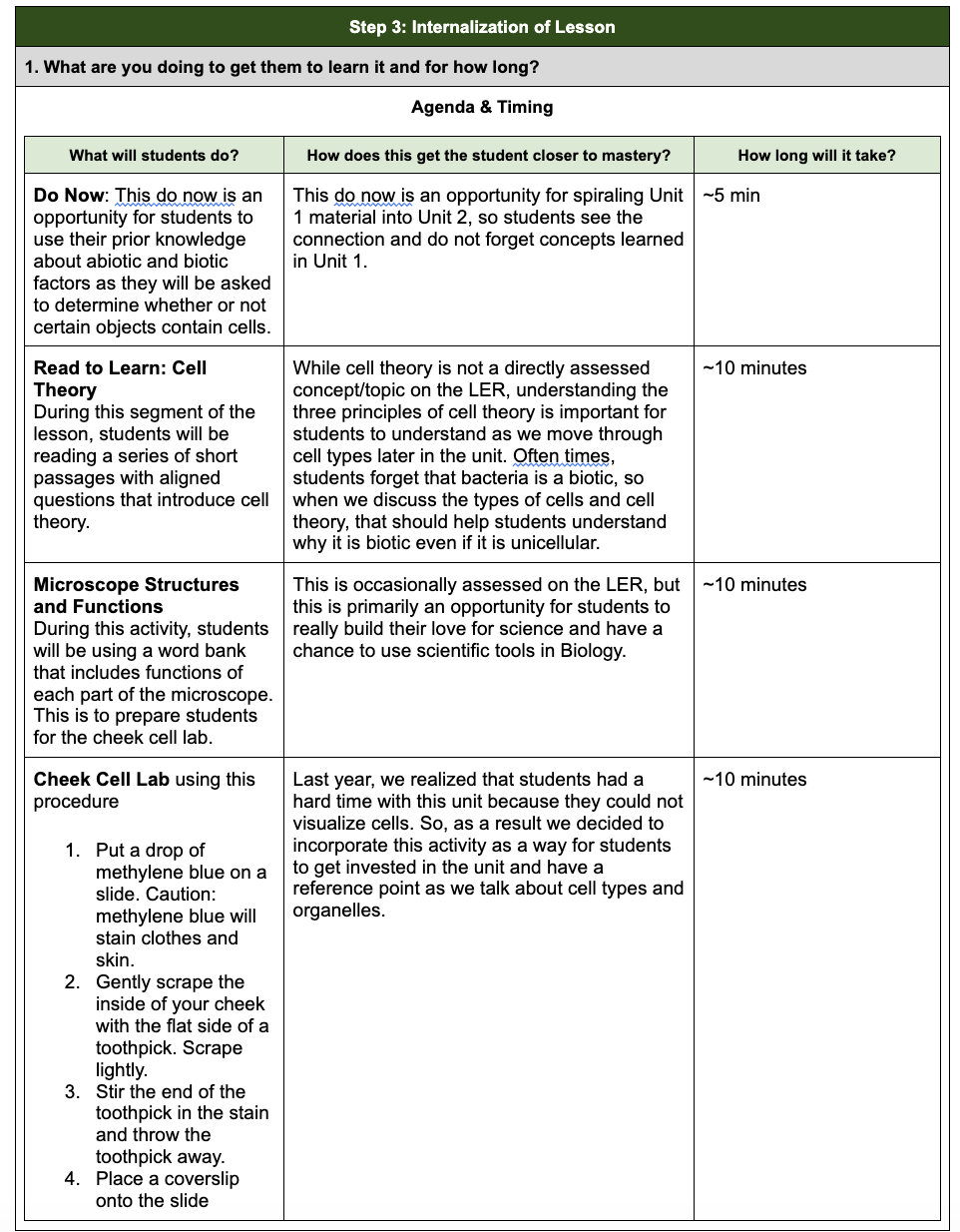
Genetics UNIT: From organelles to the nucleus and everything inside it.
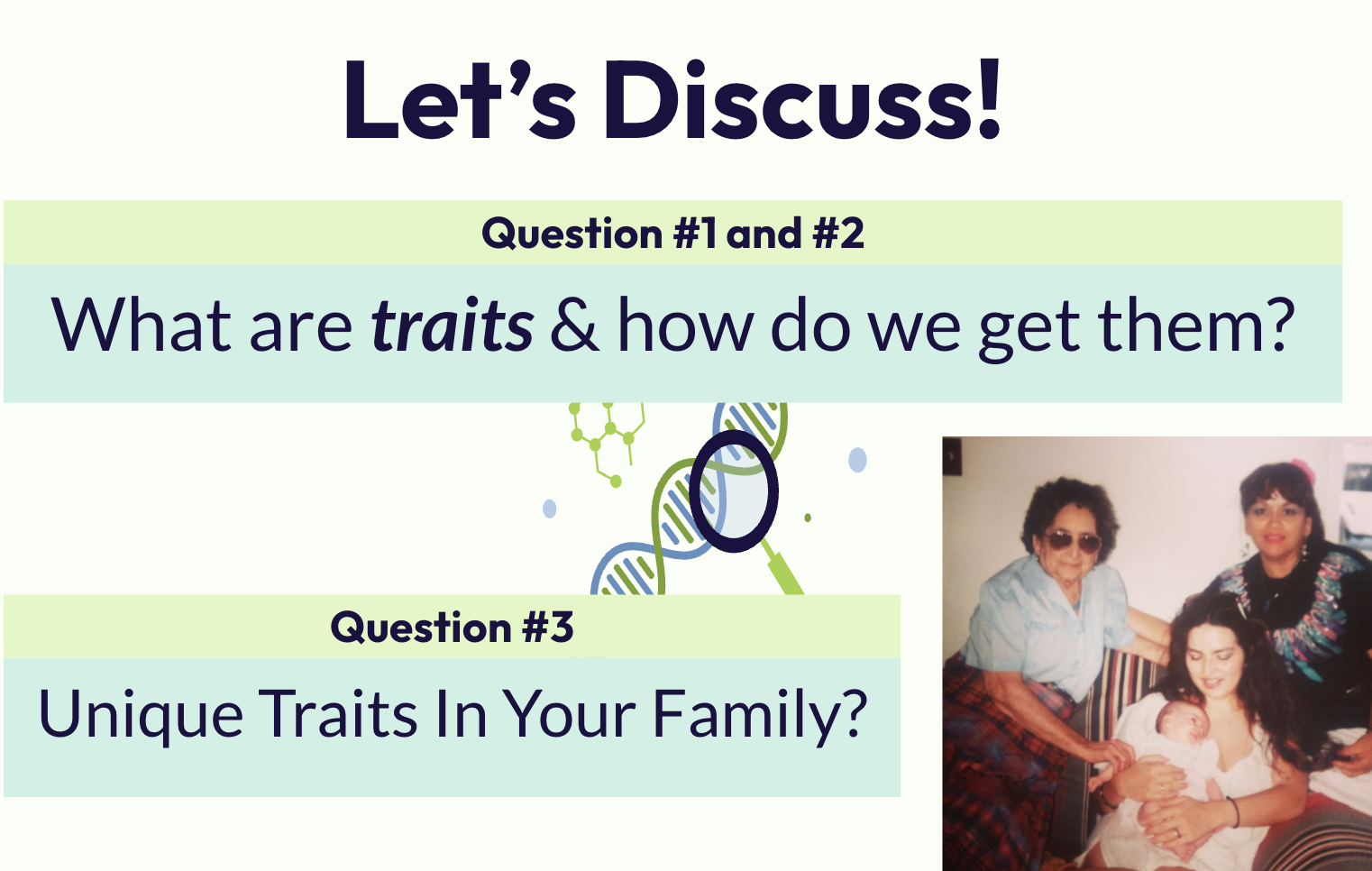
The cell unit ends focusing on the nucleus and ribosomes. Genetics picks up right there. Students who already understand that the nucleus houses the cell's instructions are ready to ask the next question: what are those instructions, and how do they get passed on?
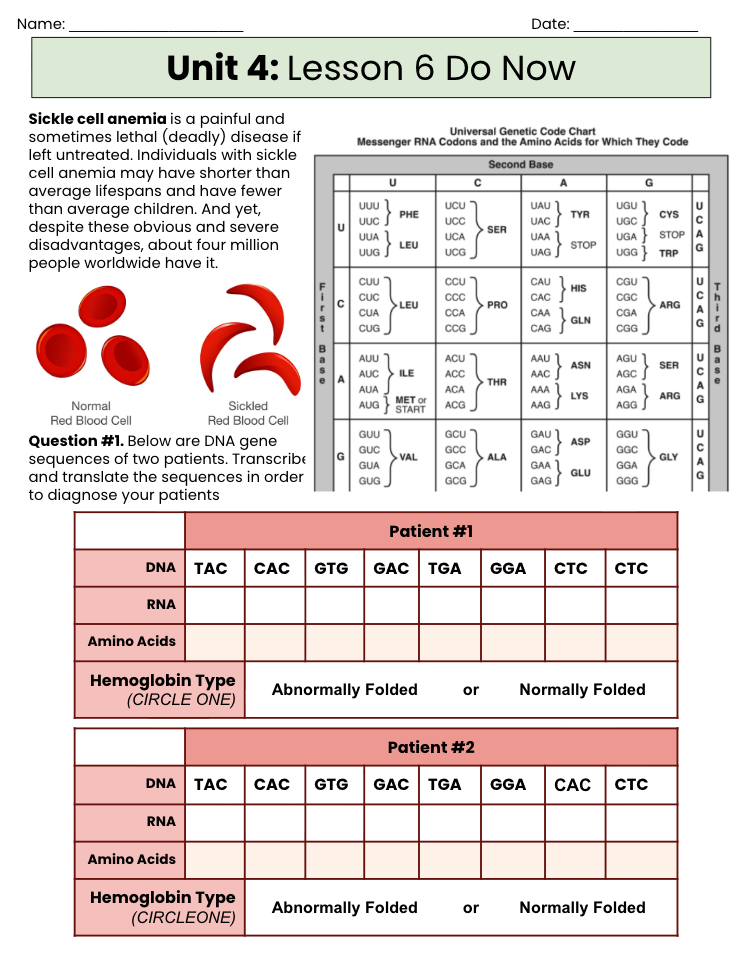
This unit opens with a Build-a-Bug activity that makes inheritance tangible and playful before the complexity sets in, and anchors the entire sequence in sickle cell anemia, a phenomenon that makes the relationship between a single genetic mutation and real human consequence impossible to ignore. It also opens the door to conversations about why some genetic conditions appear more frequently in specific populations, which is exactly the kind of culturally responsive hook that makes Biology feel like it belongs to every student in the room. The misconceptions we dismantle: that more DNA means more complexity, and that cell differentiation means different cells contain different instructions. By the end of this unit, students understand not just how traits are inherited but how a shared gene pool sets the stage for what comes next.
EXAMPLES OF UNIT MATERIALS
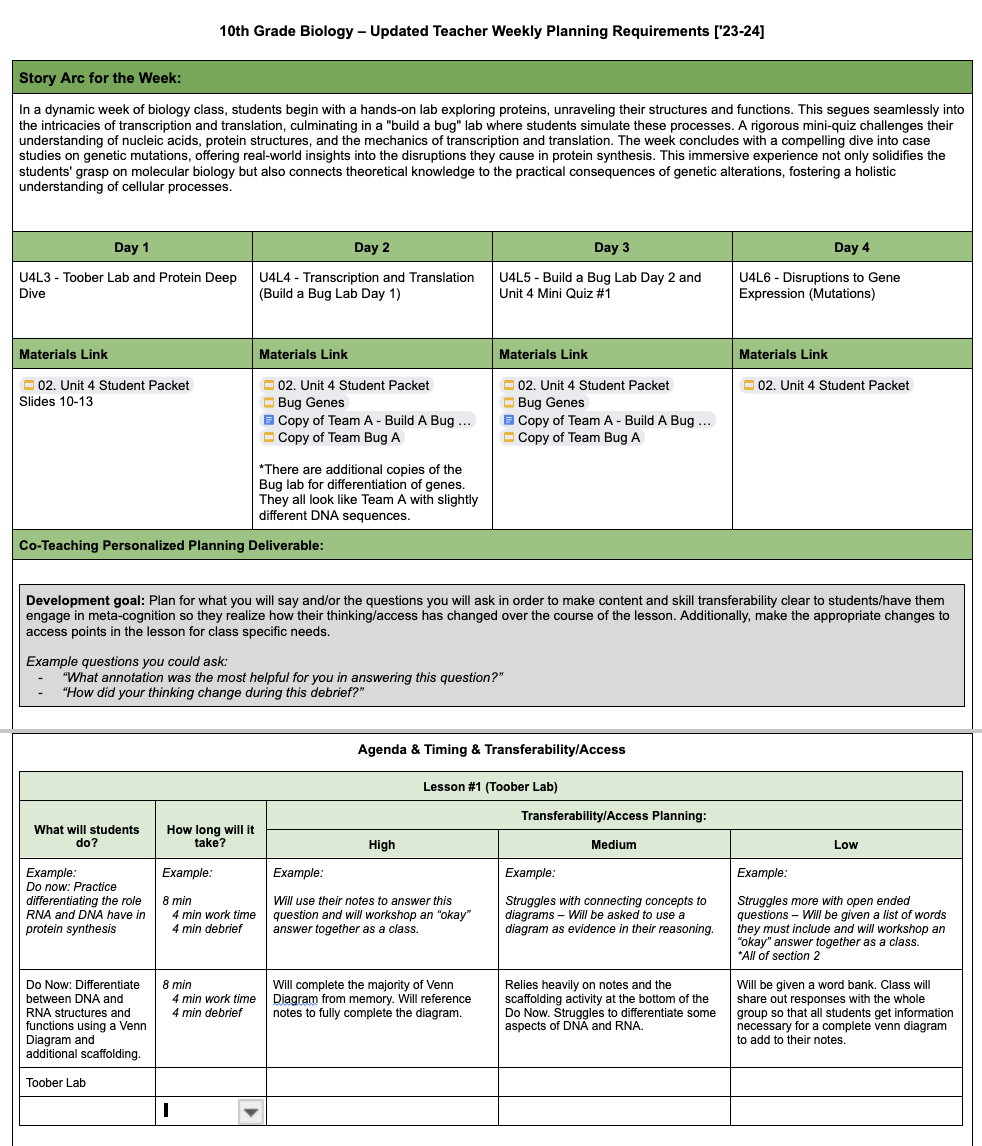
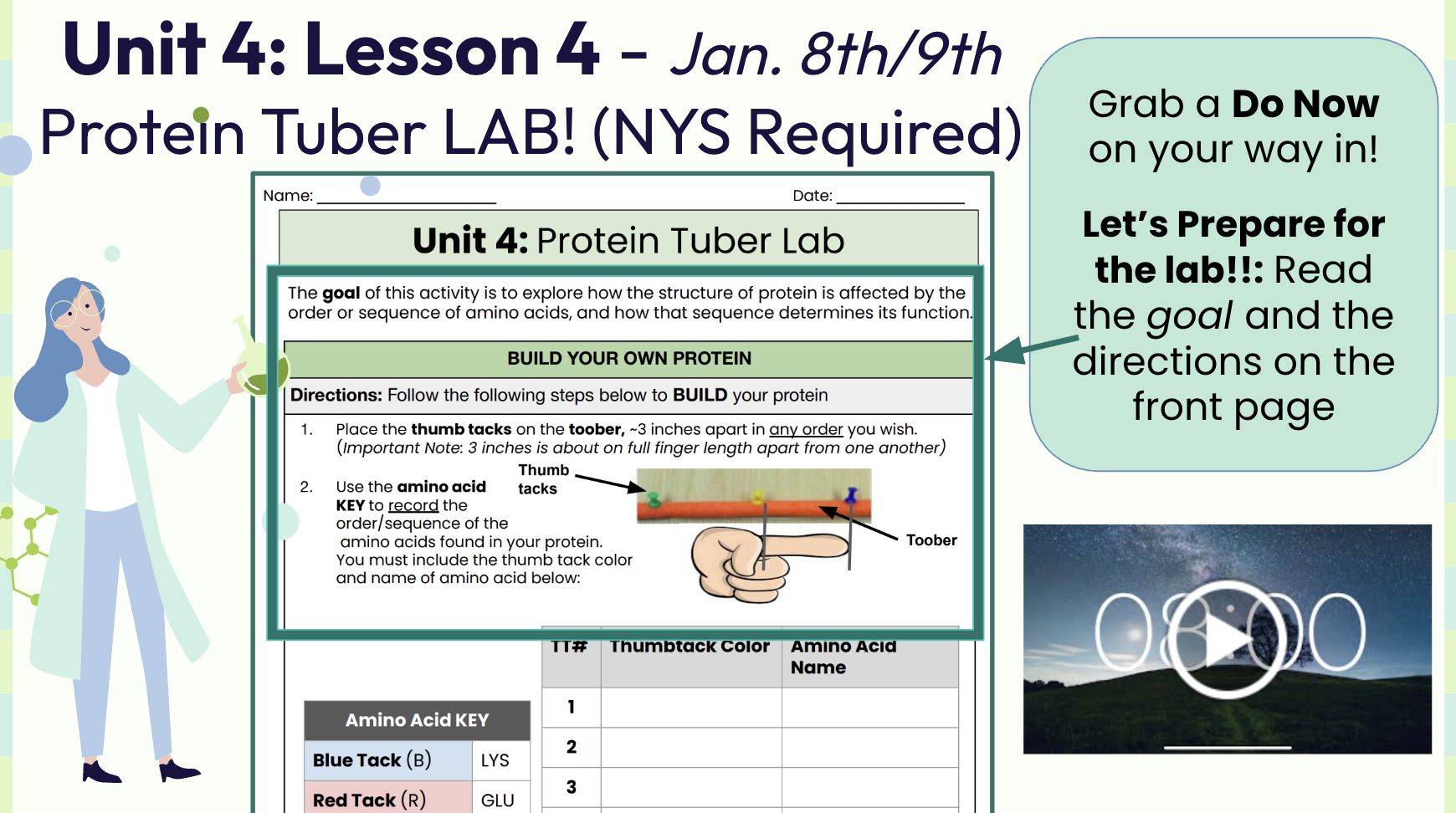
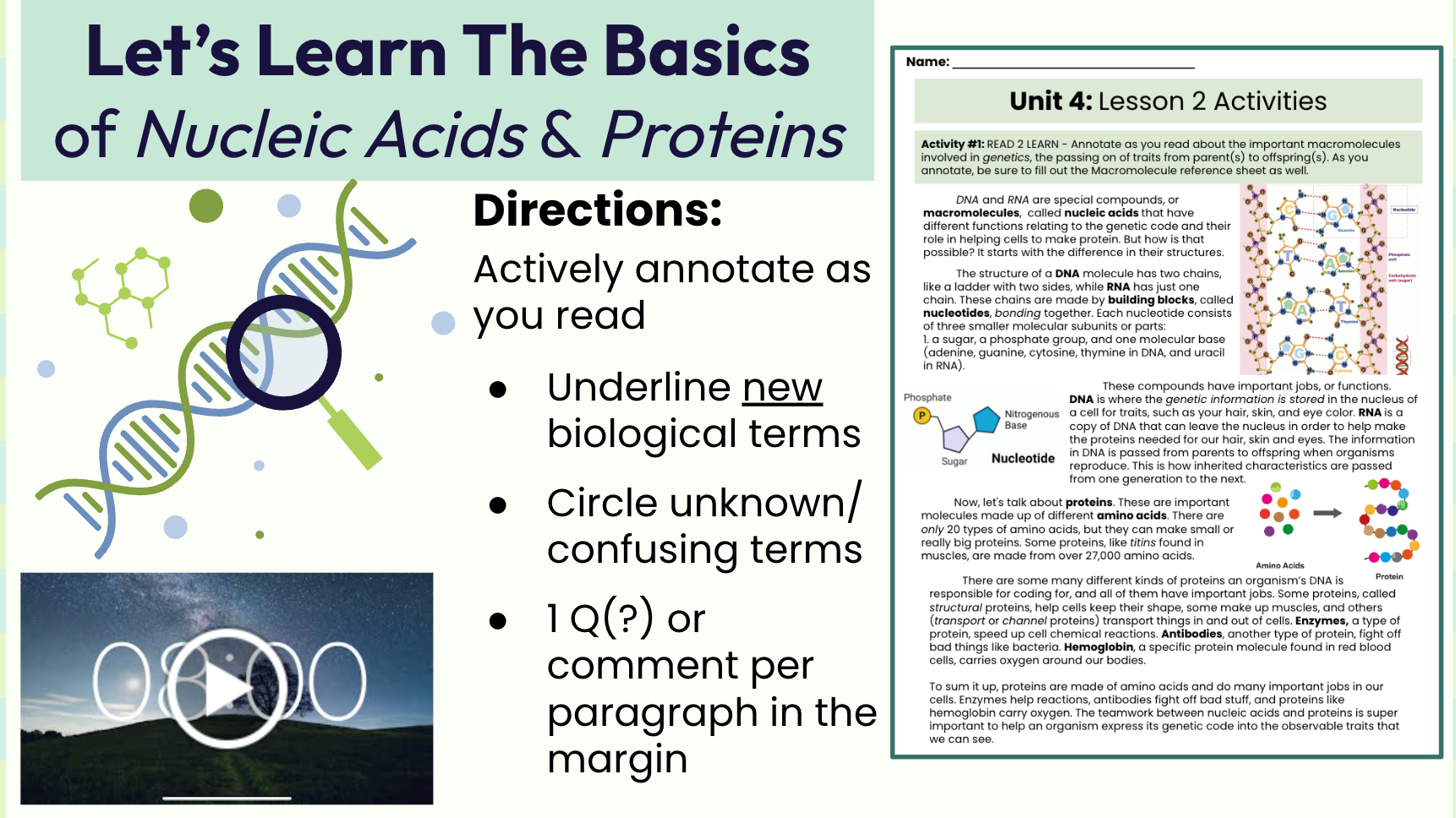
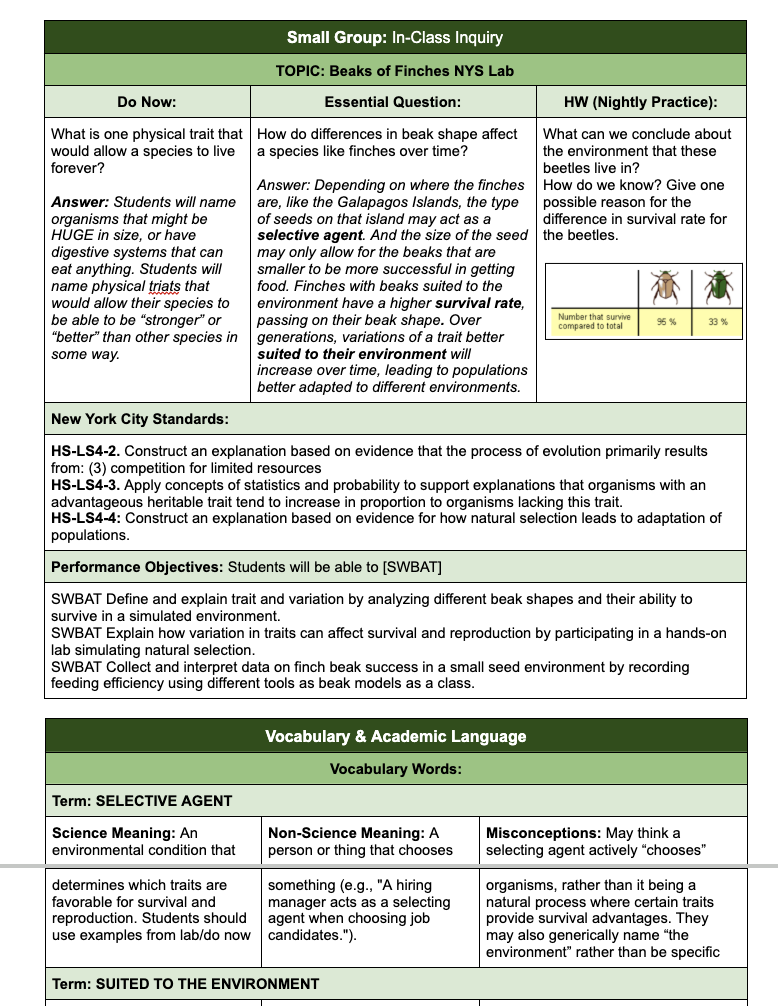
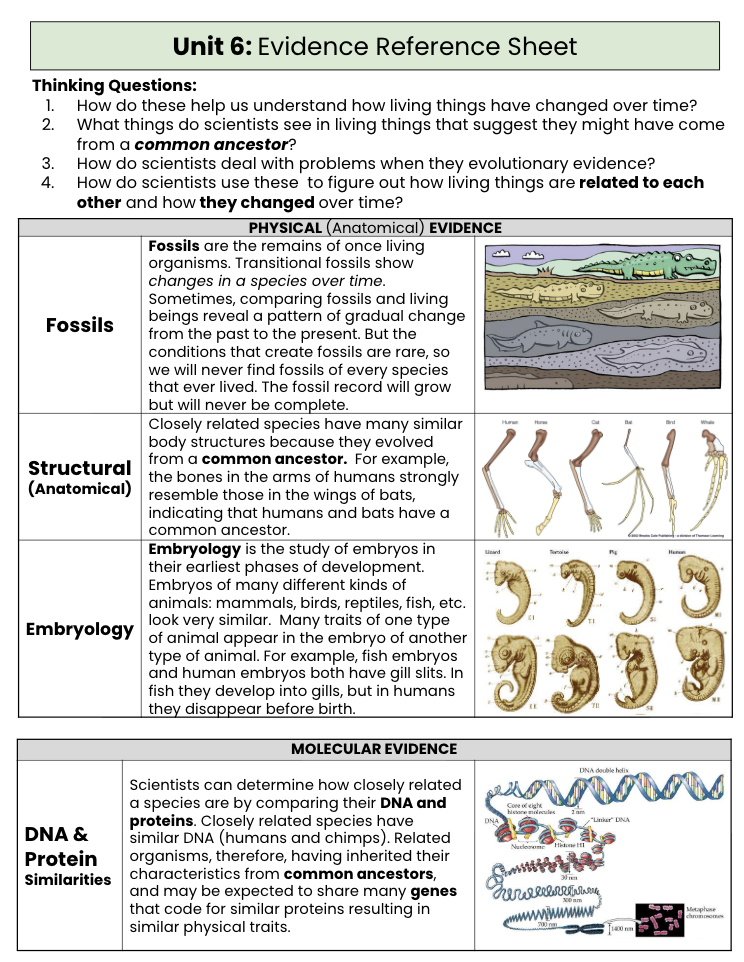
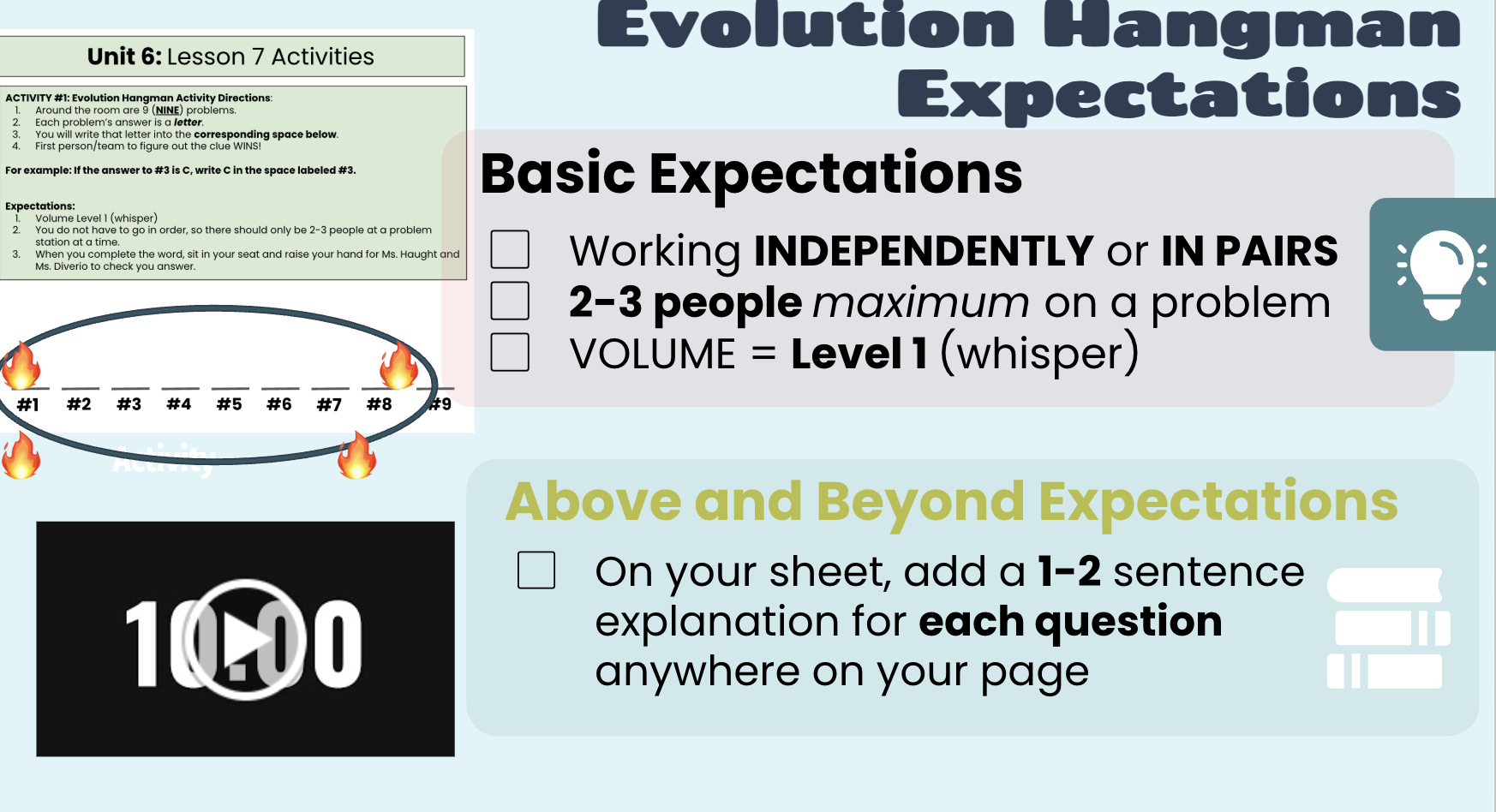
EVOLUTION UNIT: The question students always arrive with is: didn't humans come from monkeys? It's the perfect place to start.
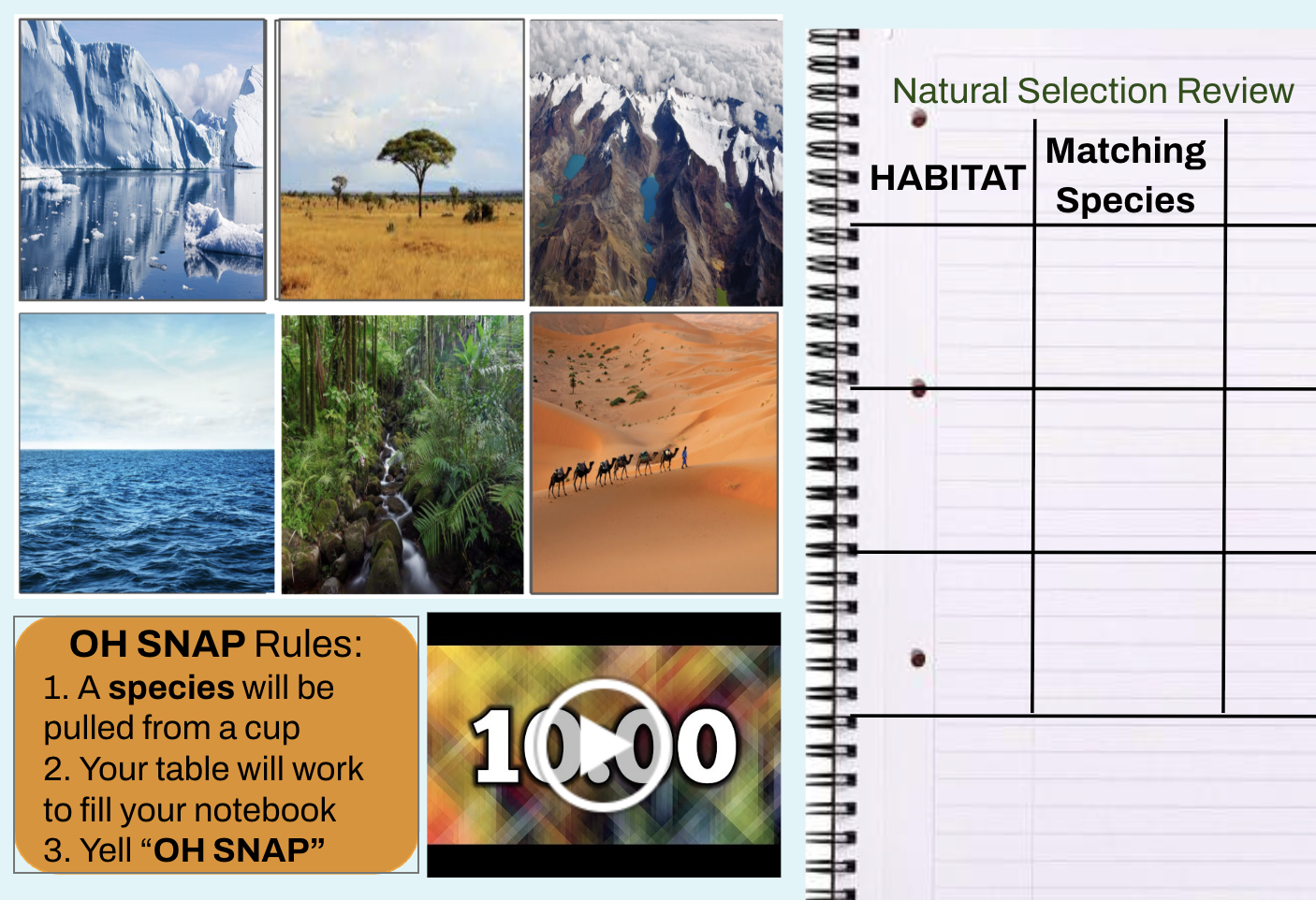
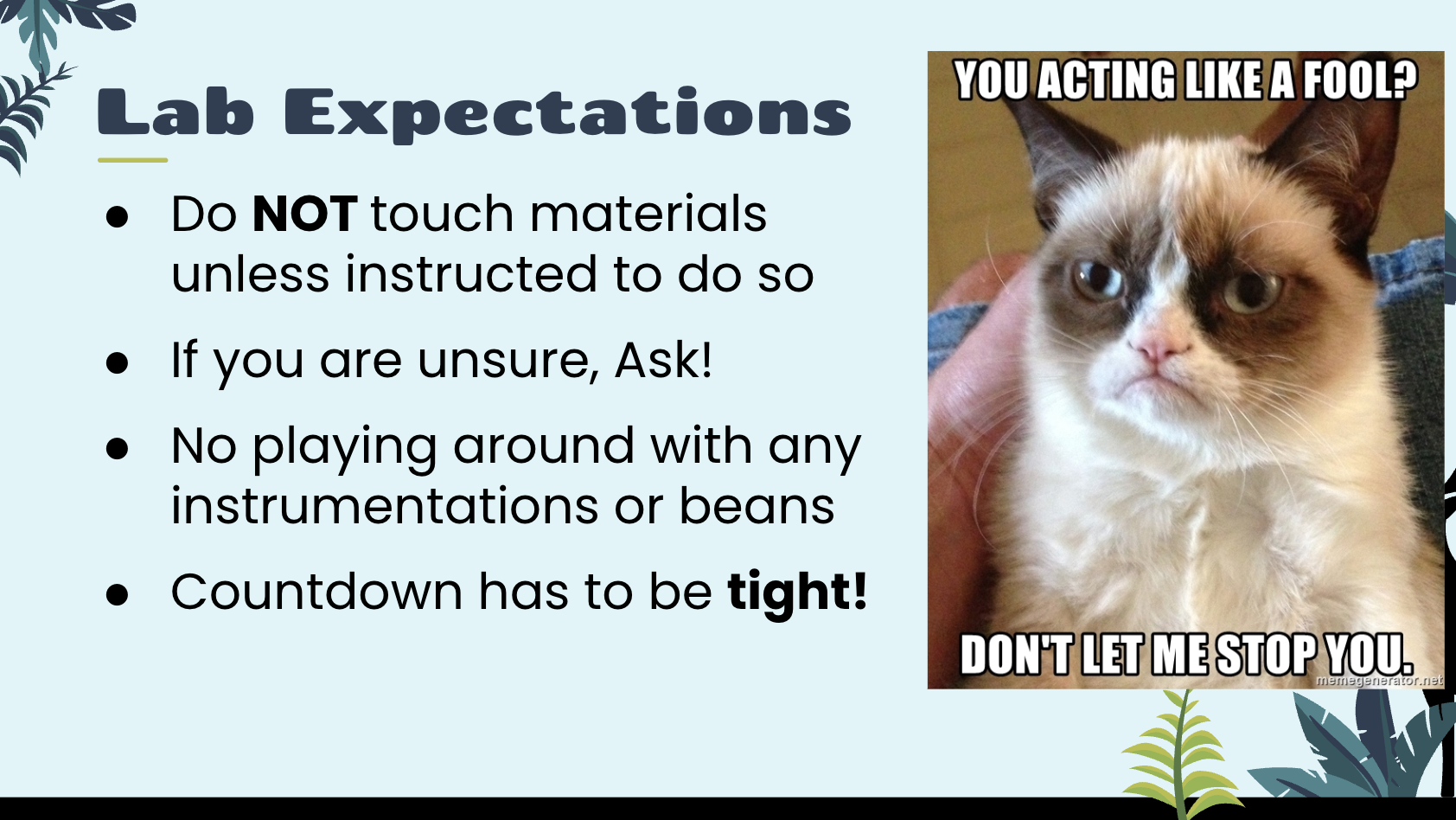
Evolution is the unit I've returned to and rebuilt more than any other because getting it right matters. Students come in with deeply held misconceptions about what natural selection actually is and how it works, and lecture alone doesn’t work. This unit opens with a deceptively simple activity: students design a species, choosing eight traits they believe would help it survive. Then comes the Beaks of Finches lab, where the environment pushes back. Selective pressure stops being an abstraction the moment your species goes extinct because you gave it the wrong beak.
By the time students understand that evolution is not a ladder toward a predetermined goal, and instead realize it is a response to environment, not a march toward humanity, they've built that understanding themselves. That's the point.
EXAMPLES OF UNIT MATERIALS